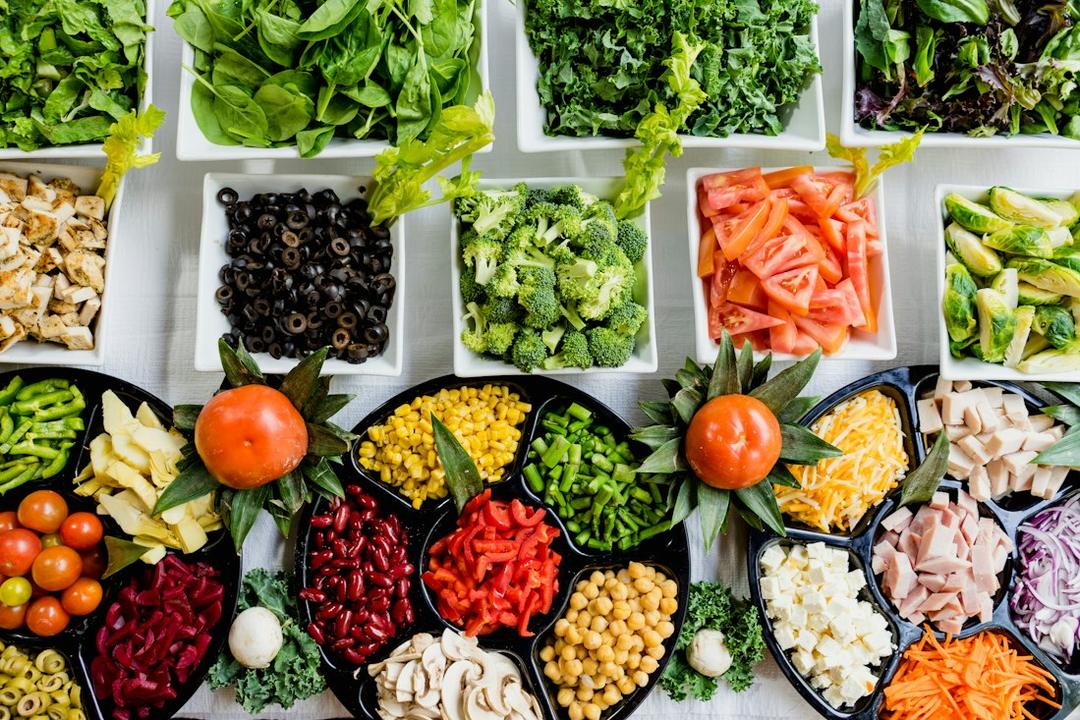
The short version
- Shop the edges of the store first: produce, fish, dairy and eggs.
- Put a protein food, a calcium food and two vegetables in the cart for every day of the week.
- Canned fish, canned beans and frozen vegetables are as useful as fresh and cost less.
- Plain versions beat flavored ones. Add your own fruit, herbs and spices.
- Store brands are usually the same food for less money.
How to use this list
Protein supports the muscle that declines from the menopause transition onward, calcium needs rise to 1,200 mg a day at 51, and fatty fish supplies omega-3 fats and vitamin D.1,2,5 The rest of the list fills in fiber and magnesium and keeps meals interesting. Store-specific versions: Walmart, Costco, Kroger, Aldi, Lidl and Tesco.
Need more than general advice? Our community offers professional, personalized nutrition and exercise plans. Join the Fit Over 40 community
The list, aisle by aisle
| Aisle | Put in the cart | Good for |
|---|---|---|
| Produce | Spinach, kale, broccoli, bell peppers, tomatoes, carrots, onions, garlic | Fiber, magnesium from leafy greens, calcium from kale and broccoli2,4 |
| Produce | Berries, apples, oranges, bananas, avocados, lemons | Fiber and a sweet option without added sugar |
| Fish counter or freezer | Salmon, trout, cod, shrimp | Protein. Salmon and trout add omega-3 fats and vitamin D.3,5 |
| Meat | Chicken breast or thighs, ground turkey, lean beef in small amounts | Protein for muscle1 |
| Dairy case | Plain Greek yogurt, cottage cheese, milk or fortified soy milk, eggs, feta or cheddar | Protein and calcium. Fortified milks add vitamin D.2,3 |
| Canned goods | Tuna, salmon, sardines, chickpeas, black beans, white beans, lentils, chopped tomatoes | Low-cost protein and fiber. Sardines and salmon with bones add calcium.2 |
| Grains | Rolled oats, brown rice, quinoa, whole-wheat pasta, whole-grain bread | Fiber and magnesium4 |
| Nuts and seeds | Walnuts, almonds, chia seeds, ground flaxseed, pumpkin seeds, natural peanut butter | Healthy fats and magnesium4 |
| Oils and flavor | Extra-virgin olive oil, vinegar, dried herbs, cumin, paprika, cinnamon | The main fat of the Mediterranean pattern6 |
| Freezer | Mixed vegetables, spinach, berries, edamame, fish fillets | Backup vegetables and protein that do not spoil |
| Refrigerated plant foods | Firm tofu, hummus | Protein. Tofu made with calcium adds calcium.2 |
What to walk past
- Sugary drinks and sweetened coffee drinks
- Flavored yogurts and granola with long ingredient lists
- Processed meats as an everyday food
- Chips, pastries and candy at the checkout
- Products labeled for "hormone balance" or "menopause support." See menopause supplements: what works.
Five label checks that work in any store
- Yogurt: choose plain. Flavored tubs often carry a lot of added sugar. Add your own fruit.
- Canned fish and beans: pick fish packed in water or olive oil and beans with no salt added, or rinse them.
- Bread, pasta and cereal: the first ingredient should be a whole grain.
- Nut butter: the ingredient list should be nuts, and perhaps salt.
- Percent Daily Value: 5% or less of a nutrient per serving is low and 20% or more is high. Aim low for sodium, saturated fat and added sugars, and high for fiber, calcium and vitamin D.7
Turn the list into meals
Everything above appears in our recipes. Start with the 7-day high-protein meal plan, or browse breakfasts, lunches, dinners and snacks. For the daily targets behind the list, read the menopause food list.
Common questions
What foods should I buy for menopause belly fat?
No food targets belly fat. The pattern with the best evidence in menopausal women is Mediterranean-style: vegetables, fruit, beans, whole grains, fish, nuts and olive oil, with enough protein to protect muscle.6
Is frozen produce as healthy as fresh?
Yes for everyday purposes. Frozen vegetables and berries are picked and frozen quickly, keep for months and reduce waste. Choose bags without sauces or added sugar.
How can I eat well on a budget?
Build meals around the cheapest protein foods: eggs, canned fish, dried or canned beans, lentils, plain yogurt and frozen chicken. Buy store brands, frozen produce and whole grains in larger bags.
References
- Bauer J, Biolo G, Cederholm T, et al. Evidence-based recommendations for optimal dietary protein intake in older people: a position paper from the PROT-AGE Study Group. J Am Med Dir Assoc. 2013;14(8):542-559. https://pubmed.ncbi.nlm.nih.gov/23867520/
- National Institutes of Health, Office of Dietary Supplements. Calcium: fact sheet for consumers. https://ods.od.nih.gov/factsheets/Calcium-Consumer/
- US Office of Disease Prevention and Health Promotion. Get enough calcium. https://odphp.health.gov/myhealthfinder/topics/everyday-healthy-living/nutrition/get-enough-calcium
- National Institutes of Health, Office of Dietary Supplements. Magnesium: fact sheet for consumers. https://ods.od.nih.gov/factsheets/Magnesium-Consumer/
- National Institutes of Health, Office of Dietary Supplements. Omega-3 fatty acids: fact sheet for consumers. https://ods.od.nih.gov/factsheets/Omega3FattyAcids-Consumer/
- Gonçalves C, Moreira H, Santos R. Systematic review of Mediterranean diet interventions in menopausal women. AIMS Public Health. 2024;11(1):110-129. https://pmc.ncbi.nlm.nih.gov/articles/PMC11007410/
- US Food and Drug Administration. How to understand and use the Nutrition Facts label. https://www.fda.gov/food/nutrition-facts-label/how-understand-and-use-nutrition-facts-label
Every health claim above links to its source. Before publication the article was read and approved by Claudia Muresian, health psychologist, fitness coach and healthy nutrition specialist. It is general information and cannot take your personal history into account, so use it to prepare for a conversation with your own clinician.
Spotted an error? Tell us and we will check it.
Recipes to try
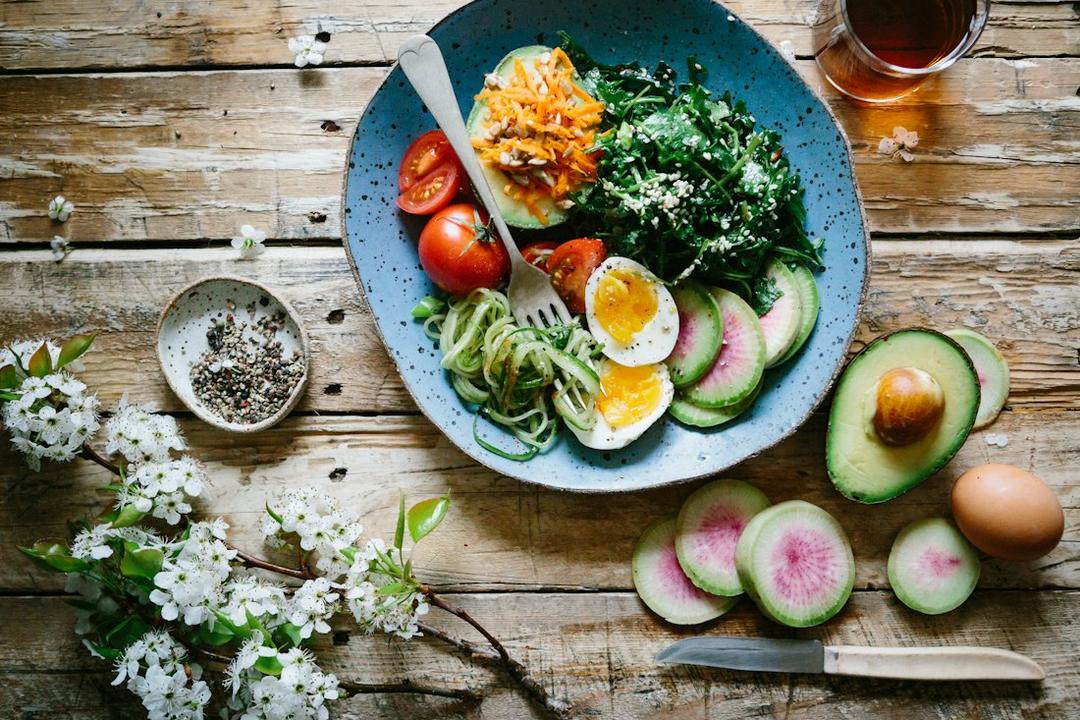 High-protein breakfast ideas for menopause6 recipes
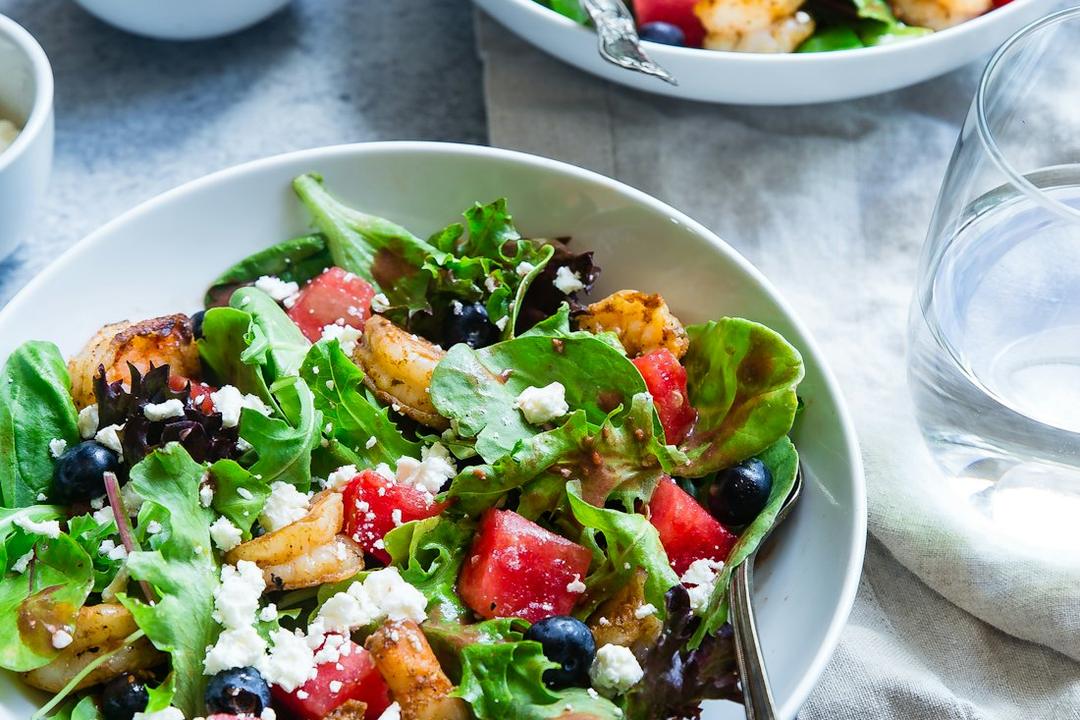 Easy high-protein lunches6 recipes
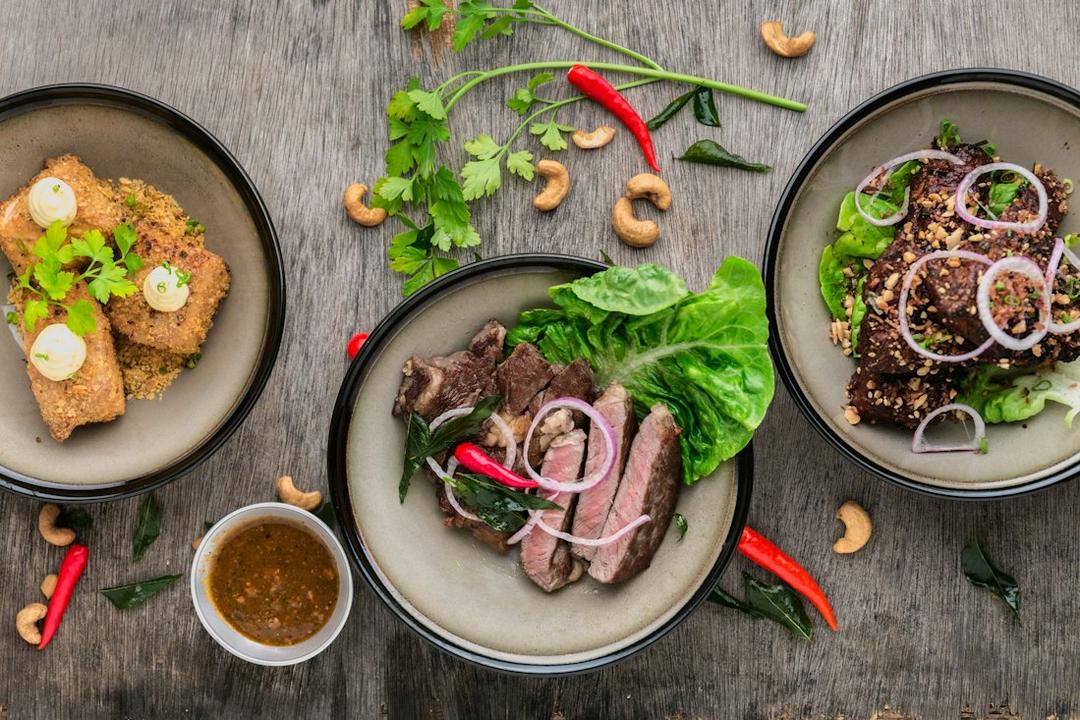 Simple healthy dinners for women over 406 recipes