The short version
- Build meals around protein, vegetables and whole grains, and include a calcium-rich food most times you eat.
- Women aged 51 and over are advised to get 1,200 mg of calcium a day, up from 1,000 mg before 50.
- Expert groups suggest 1.0 to 1.2 g of protein per kg of body weight a day for healthy older adults, spread over meals.
- Trials of the Mediterranean diet in menopausal women are small but point to lower weight, blood pressure and cholesterol.
- Soy foods are a good protein source, but supplements and herbal remedies are not recommended for hot flashes.
Build your plate first
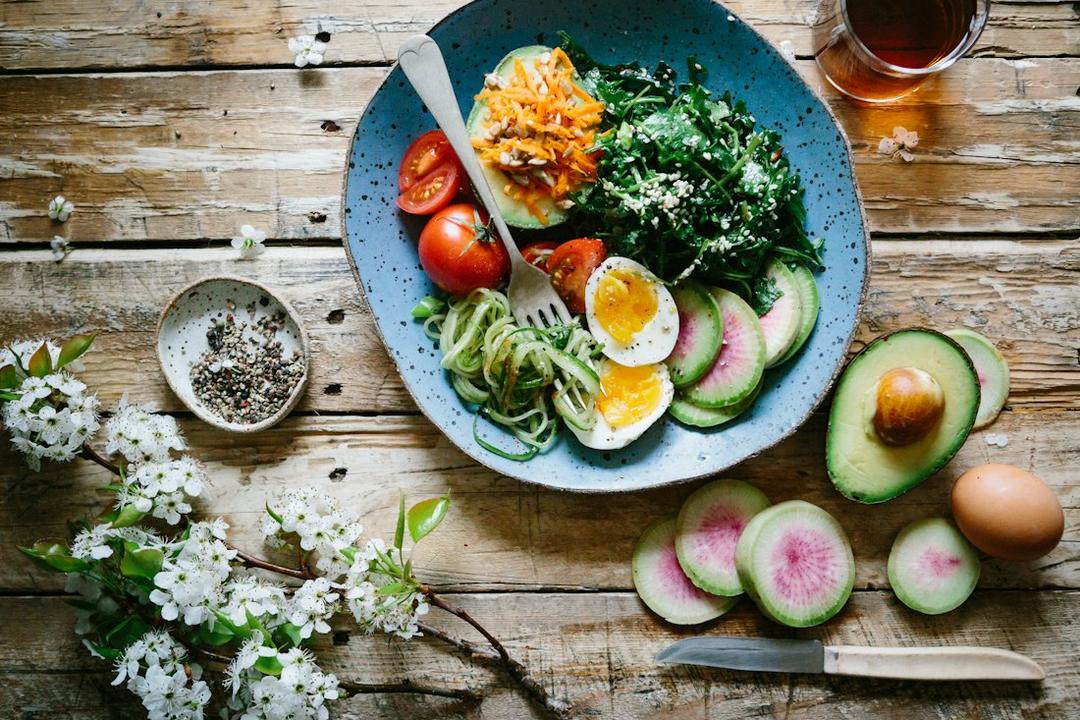
Before the list, the layout. If most of your main meals look like this, the details take care of themselves.
Need more than general advice? Our community offers professional, personalized nutrition and exercise plans. Join the Fit Over 40 community
The food list
Protein foods
Protein supplies the material for the muscle you are working to keep. Include one of these at every meal.
- Eggs
- Greek yogurt, skyr and cottage cheese
- Chicken and turkey
- Fish and seafood, including canned tuna, salmon and sardines
- Lean beef, lamb or pork a few times a week
- Tofu, tempeh and edamame
- Lentils, chickpeas and beans
- Milk or fortified soy milk
Calcium-rich foods
Bone loss speeds up around menopause, and calcium needs go up at 51.3
- Milk, yogurt and cheese
- Calcium-fortified soy milk and other fortified plant drinks
- Tofu made with calcium (check the label)
- Canned sardines and salmon eaten with the soft bones
- Kale, bok choy and broccoli
- Fortified breakfast cereals and juices
Vegetables and fruit
Aim to fill half your plate. Variety matters more than any single item.
- Leafy greens: spinach, arugula, kale, cabbage
- Broccoli, cauliflower and Brussels sprouts
- Tomatoes, peppers, carrots, courgettes, eggplants
- Onions, garlic and mushrooms
- Berries, oranges, apples, pears and stone fruit
- Frozen vegetables and fruit, which are as useful as fresh
Whole grains and high-fiber starches
- Oats
- Whole-grain bread and pasta
- Brown rice, barley, bulgur and quinoa
- Potatoes and sweet potatoes with the skin on
- Beans and lentils, which count here as well as under protein
Healthy fats
- Extra-virgin olive oil as your main cooking and dressing oil
- Walnuts, almonds and other unsalted nuts
- Chia, flax, pumpkin and sesame seeds
- Avocado
- Oily fish such as salmon, mackerel and sardines once or twice a week
Vitamin D sources
Vitamin D helps your body absorb calcium. Few foods contain much, so many people rely on sunlight and fortified foods.7
- Salmon, tuna and trout
- Milk or soy milk with added vitamin D
- Fortified cereals and yogurts
- Egg yolks
The targets, in numbers
| Nutrient | Target | Notes |
|---|---|---|
| Protein | 1.0 to 1.2 g per kg of body weight a day | Expert-group advice for healthy adults over 65. Higher if you train. The official adult minimum is about 0.8 g per kg.1,2 |
| Calcium | 1,000 mg a day up to age 50 1,200 mg a day from 51 | Upper limit from all sources is 2,000 mg a day after 50.3 |
| Vitamin D | 800 to 1,000 IU a day from 51 | Do not exceed 4,000 IU a day unless your doctor prescribes it.4 |
Protein advice for this age group is still debated. Some national bodies have raised their recommendation for older adults and others have kept it at about 0.8 g per kg, because they weigh the same studies differently.2 The range above is a reasonable target to discuss with your clinician, not a rule.
As a worked example, a woman who weighs 70 kg (about 154 lb) would aim for 70 to 84 g of protein a day. Split over three meals, that is roughly 25 g each time.
What 25 g of protein looks like
These are approximate. Check the label on your own products.
- A palm-sized piece of chicken or fish (about 3.5 oz cooked)
- Three large eggs plus a slice of cheese
- 1 cup (9 oz) of Greek yogurt or skyr
- Half a block (about 7 oz) of firm tofu
- A large bowl of lentil soup with a slice of whole-grain bread and yogurt on the side
Why a Mediterranean-style pattern
A 2024 systematic review gathered the trials that tested a Mediterranean diet in menopausal women. Only a handful of studies met the criteria, so the evidence is limited. Their results suggest the diet can lower weight, blood pressure, triglycerides, total cholesterol and LDL cholesterol.5
The food list above follows that pattern: plenty of plants, olive oil as the main fat, fish and beans often, and red meat and sweets less often.
What to limit
- Alcohol. It disturbs sleep and adds energy without nutrients.
- Sugary drinks and sweets. Easy to overconsume and they displace protein and fiber.
- Refined snacks and fast food. High in salt and low in the nutrients on this list.
- Processed meats. Keep bacon, sausages and deli meats for occasional use.
Limiting is not banning. A plan you can keep for years will always beat a strict one you drop after two weeks.
A sample day
| Meal | Example | What it covers |
|---|---|---|
| Breakfast | Greek yogurt with oats, berries and walnuts | Protein, calcium, fiber |
| Lunch | Lentil and vegetable soup, whole-grain bread, a piece of cheese | Protein, fiber, calcium |
| Snack | An apple and a handful of almonds | Fiber, healthy fat |
| Dinner | Baked salmon, roast vegetables with olive oil, brown rice | Protein, vitamin D, healthy fat |
Pair this way of eating with the illustrated strength routine. Food supplies the material and training gives your body the reason to use it. For how both fit into the bigger picture, see menopause belly fat: what causes it and what reduces it.
Common questions
Should I take a calcium supplement?
Food first. Use a supplement only to fill a gap, and ask your doctor before you start. Total calcium from food and supplements should stay under 2,000 mg a day after 50, and it is not clear that supplements prevent fractures.3,4
Does soy help with hot flashes?
Tofu, tempeh, edamame and soy milk are useful protein foods and fit well in this way of eating. As a treatment for hot flashes, The Menopause Society does not recommend soy extracts, other supplements or herbal remedies, because the trial evidence is not good enough.6
Do I have to cut carbs?
No. Whole grains, beans, fruit and starchy vegetables bring fiber and are part of the Mediterranean pattern that has been tested in menopausal women. The carbohydrates to cut back on are sugary drinks, sweets and refined snacks.5
How much protein is too much?
Healthy adults tolerate the 1.0 to 1.2 g per kg range well. People with kidney disease are often advised to eat less protein, so check with your doctor before increasing yours.1
References
- Bauer J, Biolo G, Cederholm T, et al. Evidence-based recommendations for optimal dietary protein intake in older people: a position paper from the PROT-AGE Study Group. J Am Med Dir Assoc. 2013;14(8):542-559. https://pubmed.ncbi.nlm.nih.gov/23867520/
- Groenendijk I, de Groot LCPGM, Tetens I, Grootswagers P. Discussion on protein recommendations for supporting muscle and bone health in older adults: a mini review. Front Nutr. 2024;11:1394916. https://www.frontiersin.org/journals/nutrition/articles/10.3389/fnut.2024.1394916
- National Institutes of Health, Office of Dietary Supplements. Calcium: fact sheet for consumers. https://ods.od.nih.gov/factsheets/Calcium-Consumer/
- MedlinePlus, US National Library of Medicine. Calcium, vitamin D, and your bones. https://medlineplus.gov/ency/patientinstructions/000490.htm
- Gonçalves C, Moreira H, Santos R. Systematic review of Mediterranean diet interventions in menopausal women. AIMS Public Health. 2024;11(1):110-129. https://pmc.ncbi.nlm.nih.gov/articles/PMC11007410/
- The 2023 nonhormone therapy position statement of The North American Menopause Society. Menopause. 2023;30(6):573-590. https://pubmed.ncbi.nlm.nih.gov/37252752/
- US Office of Disease Prevention and Health Promotion. Get enough calcium. https://odphp.health.gov/myhealthfinder/topics/everyday-healthy-living/nutrition/get-enough-calcium
Every health claim above links to its source. Before publication the article was read and approved by Claudia Muresian, health psychologist, fitness coach and healthy nutrition specialist. It is general information and cannot take your personal history into account, so use it to prepare for a conversation with your own clinician.
Spotted an error? Tell us and we will check it.
Recipes to try
 High-protein breakfast ideas for menopause6 recipes
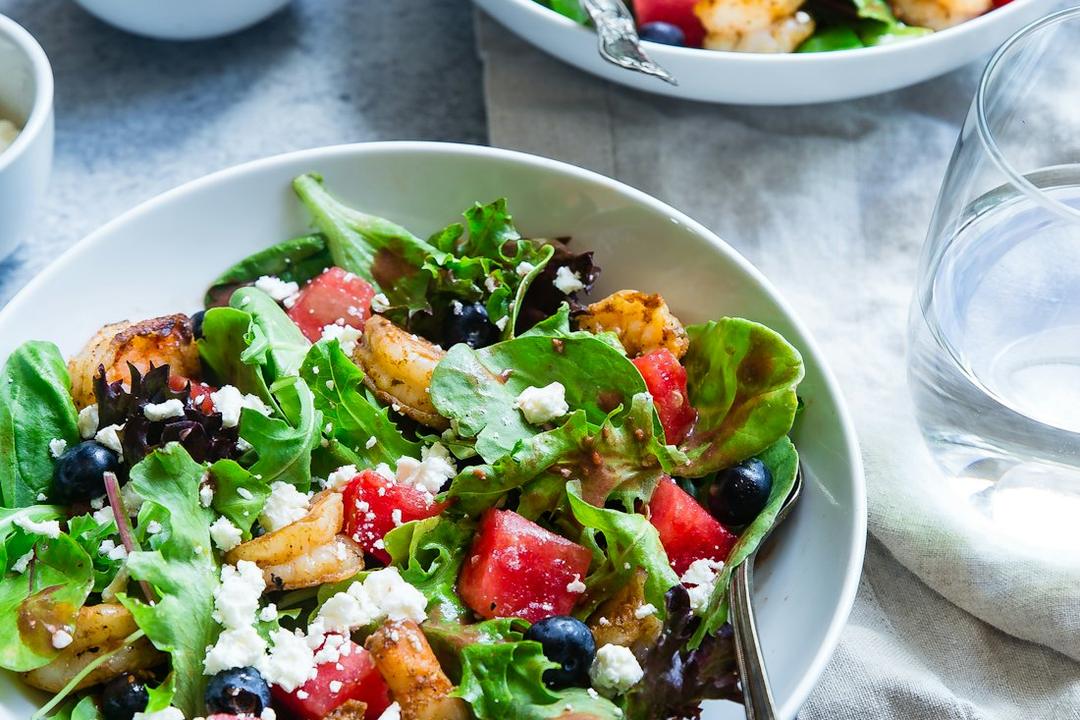 Easy high-protein lunches6 recipes
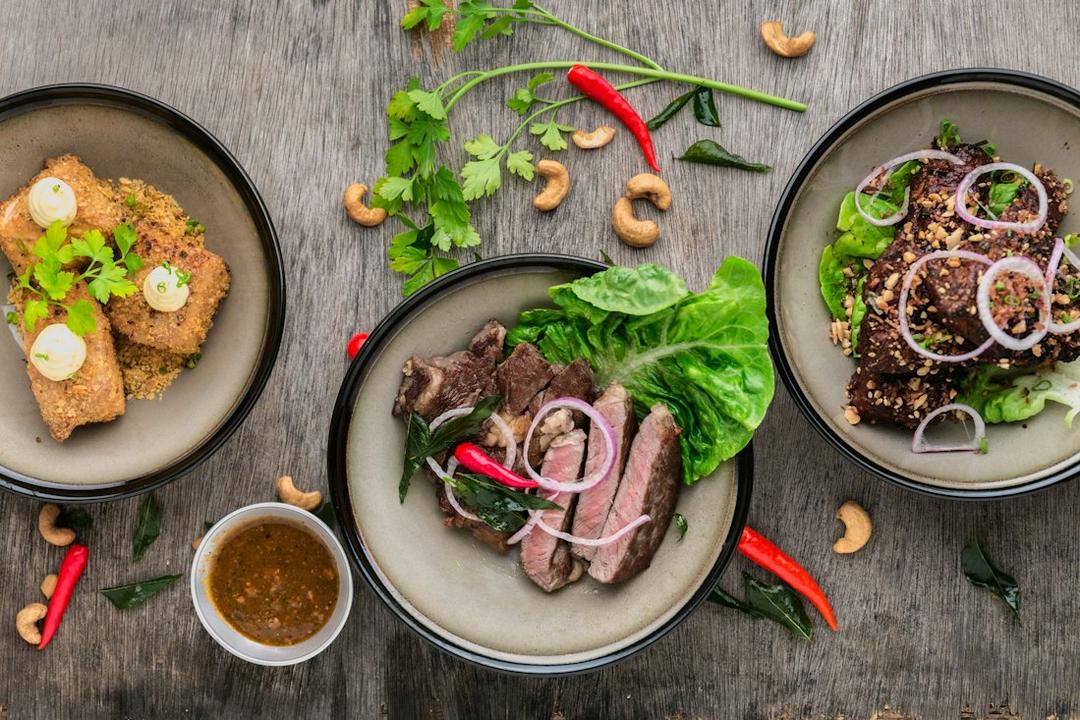 Simple healthy dinners for women over 406 recipes