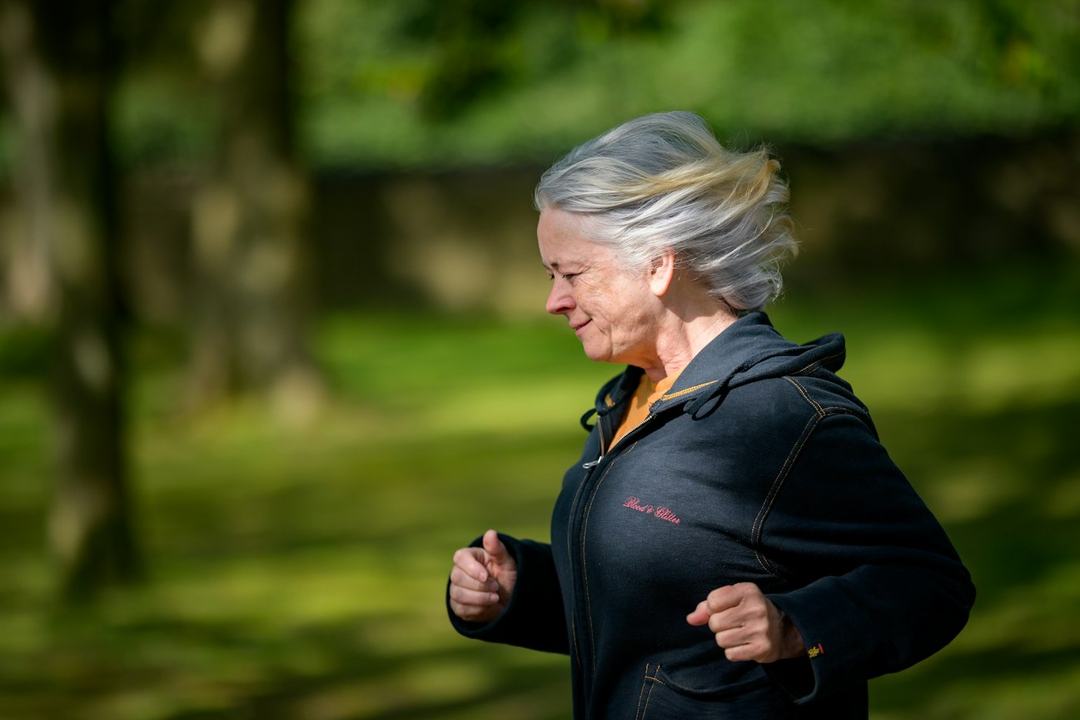
The short version
- In a pooled analysis of 101 trials, aerobic and combined training had the larger effect on fat loss in postmenopausal women.
- Resistance and combined training had the larger effect on muscle.
- Health guidelines ask for both: 150 to 300 minutes of moderate aerobic activity and two or more strength sessions a week.
- If time is short, combine them in the same session.
- From 65, add balance work on three days a week.
What the largest analysis found
In 2023, researchers pooled 101 randomized trials of exercise in 5,697 postmenopausal women. Overall, training increased muscle mass and reduced fat mass, body fat percentage, waist circumference and visceral fat.1
When they split the results by type of exercise, a clear pattern appeared.
| Type | Best for | Examples |
|---|---|---|
| Aerobic | Reducing fat mass | Brisk walking, cycling, swimming, dancing |
| Resistance | Building muscle | Dumbbells, bands, bodyweight exercises |
| Combined | Both | A mix of the two across the week |
Source: Khalafi and colleagues, 2023.1
Need more than general advice? Our community offers professional, personalized nutrition and exercise plans. Join the Fit Over 40 community
Why you cannot skip the weights
Lean mass starts to fall at the beginning of the menopause transition.5 Aerobic exercise does little to stop that. Resistance training does: pooled studies in postmenopausal and older women found small to moderate gains in lean mass.3 A separate analysis found that resistance training also improved body fat, metabolic risk markers and inflammation compared with no training, although the certainty of that evidence was rated low.4
Why you cannot skip the cardio
Aerobic activity had the stronger effect on fat in the trials,1 and it trains your heart and lungs in a way lifting does not. The World Health Organization links regular activity to lower risks of heart disease, type 2 diabetes and several cancers.2
How much of each
- Aerobic: 150 to 300 minutes a week at moderate intensity, or 75 to 150 minutes at vigorous intensity, or a mix.2
- Strength: all major muscle groups on two or more days a week.2
- Balance, from 65: varied activity that emphasizes balance and strength on three or more days a week.2
A week that covers both
| Day | Session | Time |
|---|---|---|
| Monday | Full-body dumbbell workout | 30 min |
| Tuesday | Brisk walk | 40 min |
| Wednesday | Core workout and an easy walk | 30 min |
| Thursday | Lower body workout | 30 min |
| Friday | Cycle, swim or dance class | 40 min |
| Saturday | Long walk, then the stretch routine | 60 min |
| Sunday | Rest |
That adds up to roughly 170 minutes of aerobic activity and three strength sessions. If you are starting from nothing, do half and build up over six weeks.
Common questions
Which should I do first in a session?
Start with whichever matters more to you that day, because you will have more energy for it. If your priority is strength, lift first and finish with a walk or cycle.
Is walking cardio?
Yes, if it is brisk enough to raise your breathing. A simple test: you can talk but not sing. Brisk walking counts toward the 150 to 300 minutes of moderate activity.2
Is high-intensity training safe in menopause?
For many women, yes, and vigorous activity counts double toward the weekly target. If you have heart disease, high blood pressure or joint problems, or you are new to exercise, build up with moderate activity first and ask your doctor.2
References
- Khalafi M, Habibi Maleki A, Sakhaei MH, et al. The effects of exercise training on body composition in postmenopausal women: a systematic review and meta-analysis. Front Endocrinol. 2023;14:1183765. https://pubmed.ncbi.nlm.nih.gov/37388207/
- World Health Organization. Physical activity: fact sheet. https://www.who.int/news-room/fact-sheets/detail/physical-activity
- Thomas E, Gentile A, Lakicevic N, et al. The effect of resistance training programs on lean body mass in postmenopausal and elderly women: a meta-analysis of observational studies. Aging Clin Exp Res. 2021. https://doi.org/10.1007/s40520-021-01853-8
- Nunes PRP, Castro-e-Souza P, de Oliveira AA, et al. Effect of resistance training volume on body adiposity, metabolic risk, and inflammation in postmenopausal and older females: systematic review and meta-analysis of randomized controlled trials. J Sport Health Sci. 2024. https://pmc.ncbi.nlm.nih.gov/articles/PMC10980902
- Greendale GA, Sternfeld B, Huang M, et al. Changes in body composition and weight during the menopause transition. JCI Insight. 2019;4(5):e124865. https://doi.org/10.1172/jci.insight.124865
Every health claim above links to its source. Before publication the article was read and approved by Claudia Muresian, health psychologist, fitness coach and healthy nutrition specialist. It is general information and cannot take your personal history into account, so use it to prepare for a conversation with your own clinician.
Spotted an error? Tell us and we will check it.
Workouts to try
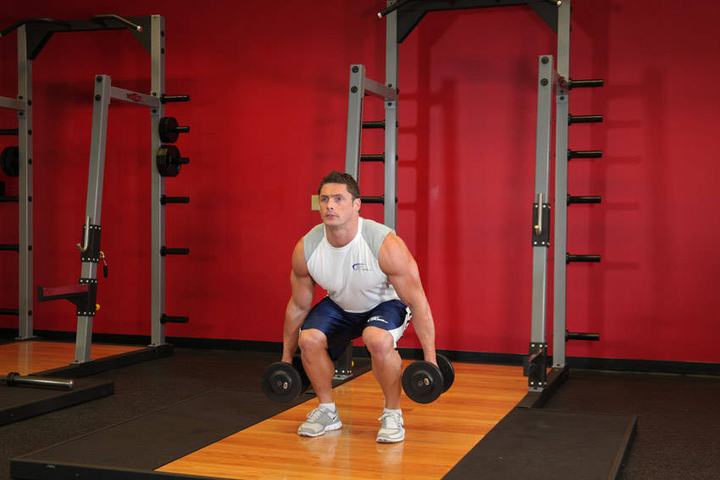 Full-body dumbbell workout for beginners30 minutes, 7 exercises
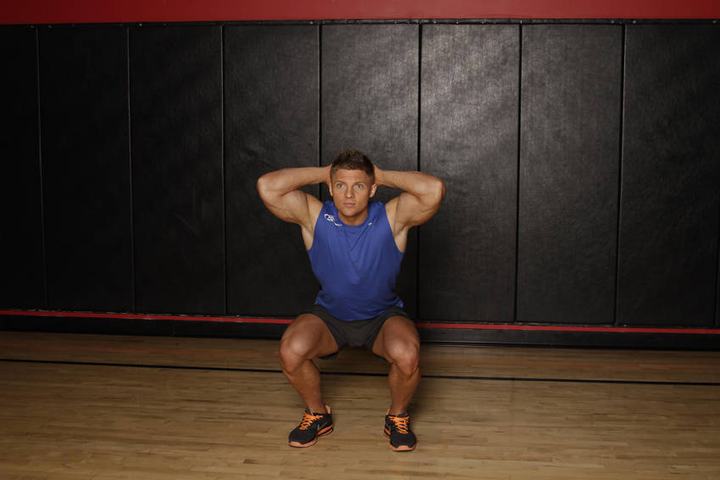 Lower body and glute workout30 minutes, 6 exercises
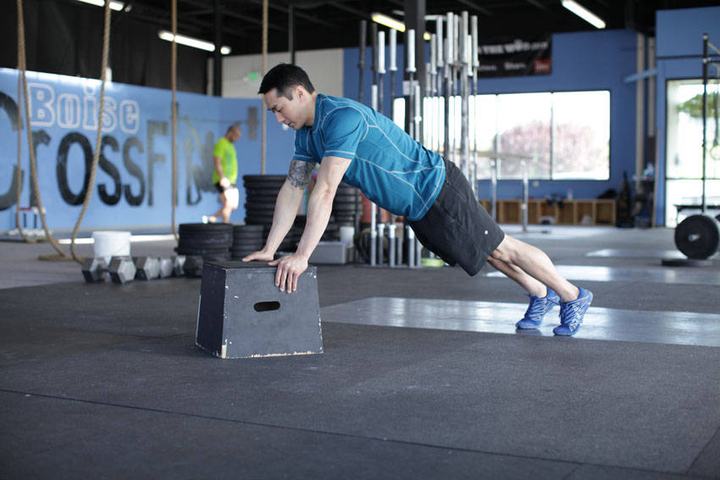 Upper body and posture workout30 minutes, 7 exercises